Static Ropes for Rope Access, Rescue & Work at Height
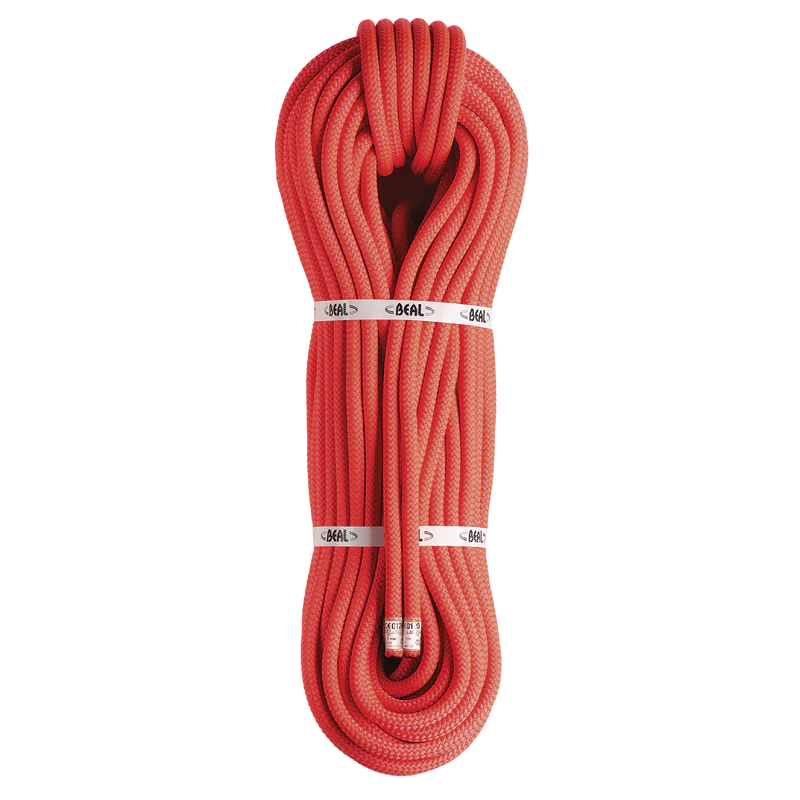
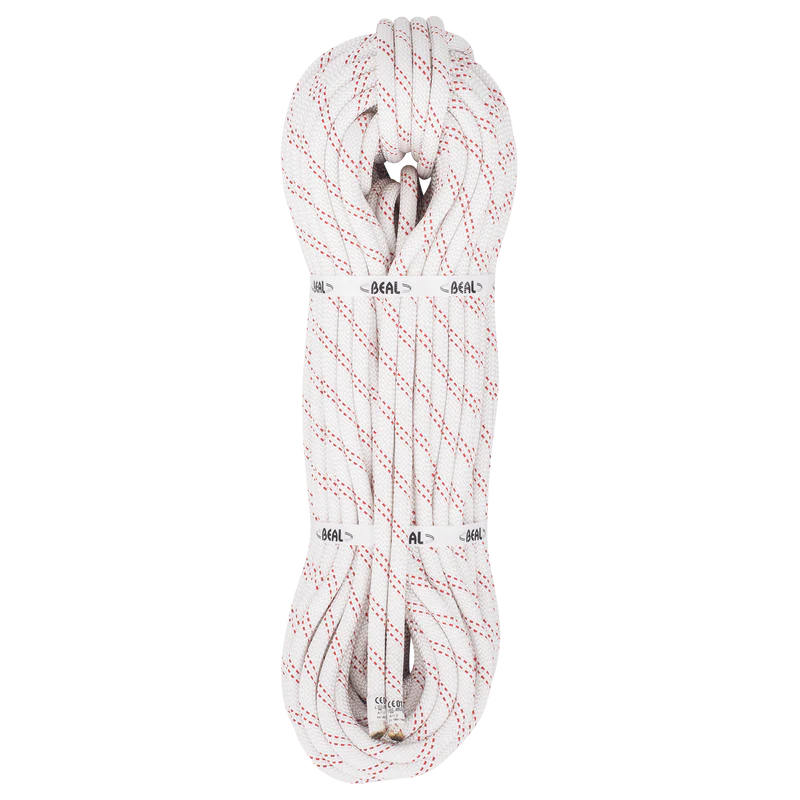
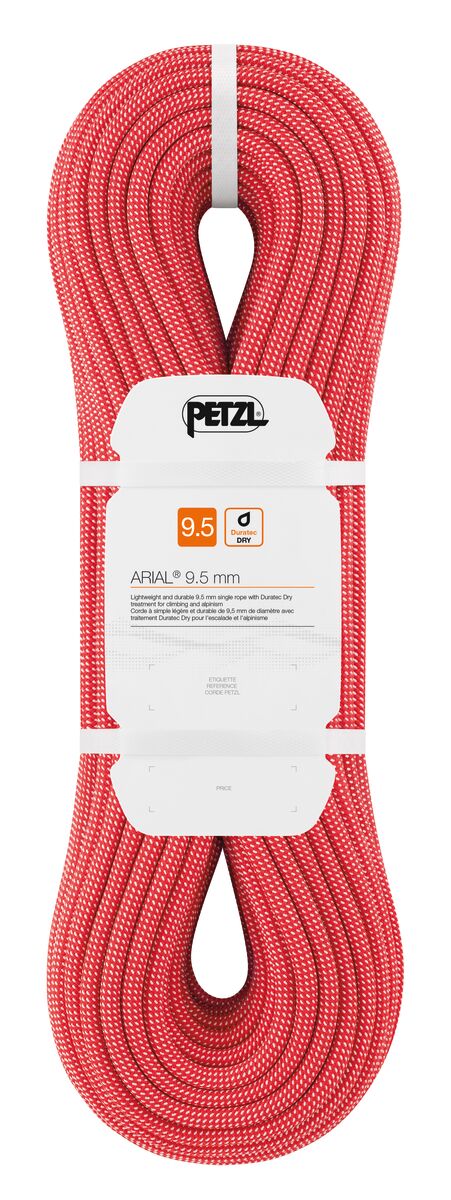
Static ropes are designed for rope access, rescue, work at height and industrial applications where minimal rope stretch is required. Also known as low stretch ropes or kernmantle ropes, they provide excellent handling, durability and performance for professional users working in demanding environments.
Our range includes static ropes suitable for rope access systems, rescue operations, industrial safety applications and specialist technical work. Available in a variety of diameters, lengths and constructions, these ropes are designed to deliver reliable performance when used in accordance with manufacturer guidance and industry best practice.
Browse our collection of static ropes, kernmantle ropes and safety ropes from trusted manufacturers for rope access, rescue and work-at-height applications.
Complete your rope system with our range of Connectors & Carabiners, Safety Harnesses, Rope Edge Protectors and Rope Clamps & Ascenders.
Static Rope FAQs
What is a static rope?
A static rope is a low stretch rope designed for rope access, rescue, work at height and industrial applications. Unlike dynamic climbing ropes, static ropes are designed to minimise elongation under load, making them suitable for ascending, descending, positioning and rescue systems.
What is the difference between a static rope and a dynamic rope?
Static ropes have very limited stretch and are commonly used for rope access and rescue work. Dynamic ropes are designed to absorb the energy generated during a climbing fall and are typically used in lead climbing and other recreational climbing applications.
What is a kernmantle rope?
A kernmantle rope consists of a load-bearing core protected by a woven outer sheath. This construction provides strength, durability and handling characteristics that make kernmantle ropes widely used in rope access, rescue and work-at-height environments.
What are static ropes used for?
Static ropes are commonly used for rope access, rescue operations, work positioning, confined space work, industrial safety systems and other applications where low rope stretch and reliable performance are required.
What rope diameter should I choose?
The appropriate rope diameter depends on the application, equipment compatibility and operational requirements. Always refer to manufacturer guidance and ensure that ropes are compatible with the devices and systems being used.
How often should static ropes be inspected?
Static ropes should be inspected before each use and examined regularly by a competent person in accordance with manufacturer recommendations and workplace procedures. Any rope showing signs of damage, excessive wear, contamination or deterioration should be removed from service.
Pair your ropes with our range of ascenders and rope clamps for safe and efficient rope progression.
Build a compatible rope progression system with our
professional rope ascenders and rope clamps,
designed for use with approved rope diameters in rope access and rescue
applications.